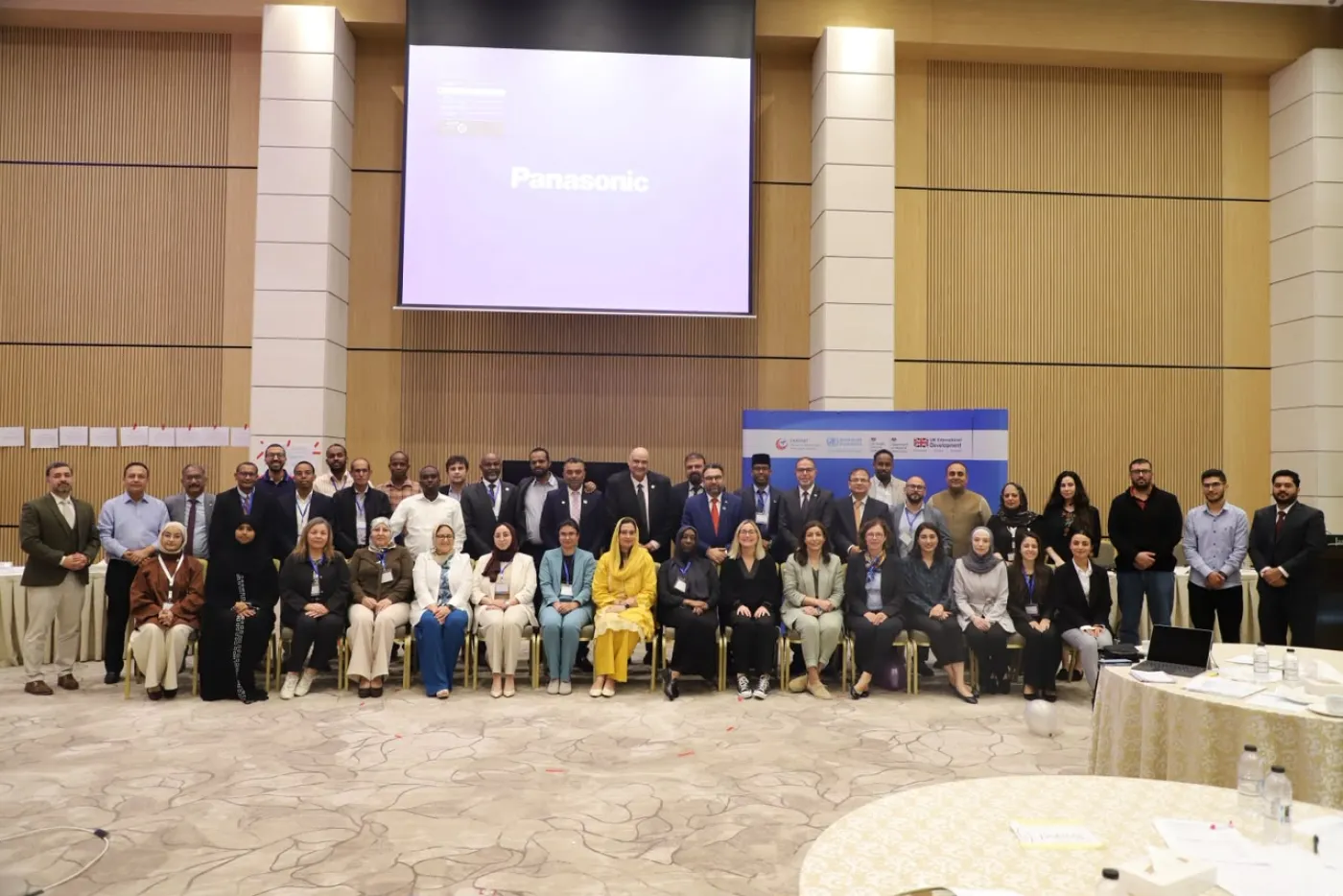
Strengthening countries' ability to prevent, detect, and respond to public health threats was the focus of a five-day regional training workshop organized by the Eastern Mediterranean Public Health Network (EMPHNET), in collaboration with the World Health Organization Regional Office for the Eastern Mediterranean (WHO EMRO) and the UK Health Security Agency (UKHSA).
Held in Amman from October 25–29, 2026, the workshop brought together more than 20 public health officials from six countries: Afghanistan, Djibouti, Morocco, Pakistan, Somalia, and Tunisia to strengthen their capacities to implement the International Health Regulations (IHR 2005), the 2024 amendments, and the WHO Pandemic Agreement.
The training focused on translating international health security frameworks into practical measures to strengthen national preparedness and coordinated responses to public health emergencies. Participants included IHR National Focal Points, points-of-entry officials, and senior Ministry of Health representatives responsible for health security and emergency preparedness.
Dr. Amgad El Kholy, Manager, Emergency Preparedness & IHR, WHO Health Emergencies Programme (WHE)/ EMRO emphasized the importance of strengthening countries' capacities to implement the legally binding framework:
"Diseases know no borders. Throughout history, cooperation between countries has been essential to containing outbreaks and limiting their impact. Today, in an increasingly interconnected world, the International Health Regulations (2005) provide a critical framework for countries to work together to prevent, detect, assess, notify, and respond to public health threats. Their effective implementation is fundamental to strengthening global health security and ensuring that no country faces health emergencies alone."
The workshop combined interactive discussions, group activities, storytelling-based learning and simulation exercises to examine the implementation of key provisions of the International Health Regulations (IHR). Participants explored how countries share information and notify WHO of public health events, apply IHR requirements at points of entry, use health documents in international travel, and assess public health events against the criteria for determining a Public Health Emergency of International Concern (PHEIC). The training also addressed the 2024 IHR amendments and the WHO Pandemic Agreement, highlighting their implications for national preparedness and international cooperation.
Highlighting the value of the partnership, Dr. Kathleen Skinner, Head of IHR Strengthening Project at UKHSA said:
“Working with WHO EMRO and EMPHNET, UKHSA’s IHR Strengthening Project is pleased to provide technical support to help countries put the International Health Regulations into practice. This workshop is part of UKHSA’s wider work to strengthen regional preparedness, shaped by countries’ own priorities. We look forward to continuing this partnership and expanding our support so that more countries across the region have the skills and systems to prevent, detect and respond to outbreaks and other health emergencies.”
The training also provided a platform for participants to exchange experiences, identify implementation challenges, and explore practical approaches to strengthening health emergency preparedness across the Eastern Mediterranean Region.
Dr. Magid Al-Gunaid, Deputy Executive Director of EMPHNET, highlighted the network's role in supporting countries across the region:
"At EMPHNET, we recognize that effective health security depends on strong national capacities and sustained regional cooperation. Our role is to connect public health expertise, facilitate knowledge exchange, and support countries in translating global frameworks into practical action. Through our collaboration with WHO EMRO and UKHSA, we are strengthening the capacities of public health professionals and advancing a more coordinated approach to health emergency preparedness and response across the region."
The workshop concluded with a certificate ceremony and closing remarks from Dr. Annette Heinzelmann, Acting Regional Emergency Director for WHO EMRO; Dr. Kathleen Skinner, Head of UKHSA IHR Strengthening Project; Dr. Muhammad Sartaj, Deputy Head UKHSA IHR Strengthening Project; and Dr. Mohannad Al-Nsour, Executive Director of EMPHNET. The closing session reaffirmed the shared commitment to strengthening collaboration and preparedness to safeguard communities and advance regional health security.
Building on the knowledge and experiences shared during the workshop, EMPHNET, WHO EMRO, and UKHSA will extend this training initiative to other countries across the Eastern Mediterranean Region. These upcoming workshops will further advance their shared commitment to strengthening national capacities, fostering regional cooperation, and enhancing coordinated preparedness and response to public health emergencies.
The International Health Regulations Strengthening Project (IHR-SP), funded with UK aid by the UK Department of Health and Social Care (DHSC) provides peer to peer technical expertise through the UK Health Security Agency (UKHSA) to support public health partners to prepare, prevent, detect and respond to global health threats and increase compliance with the International Health Regulations (IHR 2005).
--- END ---
About the Partner Organizations
For more information about the organizations involved in this initiative, please visit: